
How Much Does a vape Cost?
The global vape market has undergone explosive growth over the past decade, evolving from a niche smoking cessation tool into a multi-billion dollar industry with a vast array of products. For consumers navigating this complex landscape, one of the most immediate and practical questions is: “How much does a vape cost?” The answer, however, is far from straightforward. The price of a vape is not a single figure but a spectrum influenced by a confluence of factors, including product type, technological sophistication, brand positioning, regulatory environment, and geographical market.

Vape Market Prices
Retail prices for vapes vary dramatically around the world due to differences in taxation, regulations, purchasing power, and market maturity.
For example, the US market is characterized by high diversity and premium pricing, heavily influenced by federal and state-level taxes, as well as the FDA’s regulatory oversight. A popular disposable vape typically costs between $7 to $20. A starter kit for a pod system ranges from $25 to $40. A cheap vape starter kit typically costs between $20 to $50. It’s important to note that several states impose excise taxes that can increase these prices by 40% or more.
Deconstructing the Price: Components and Markups
The price tag on an vape is the sum of its tangible parts and intangible value.
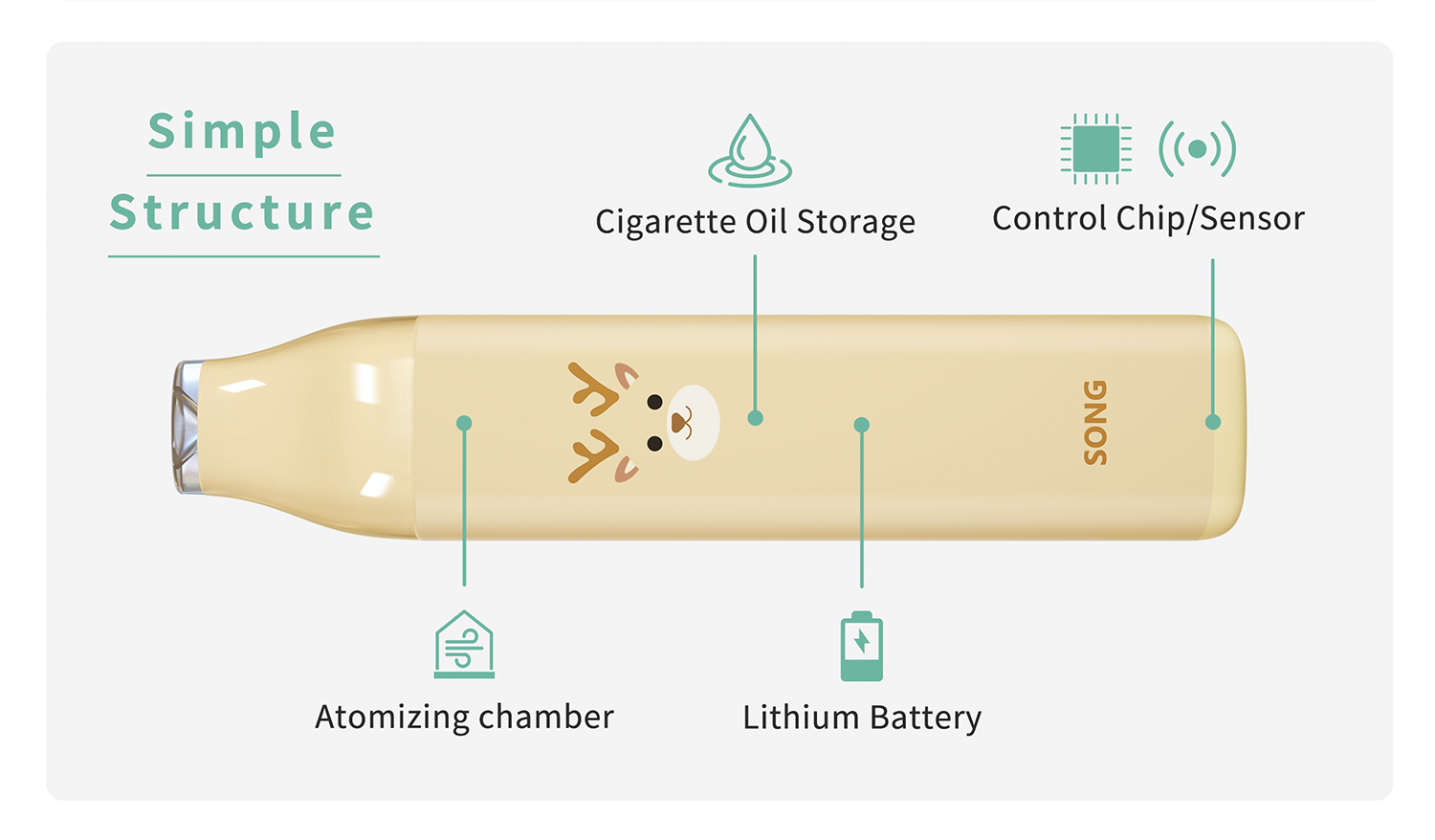
Hardware Components: This is the foundational cost.
Device/Battery: The body (“mod” or “stick”) houses the battery and chipset. Simple stick batteries are cheap to produce, while advanced mods with OLED screens, variable wattage, and durable materials (like zinc-alloy) cost more. The battery itself (typically lithium-ion) is a key cost driver, with capacity (mAh) directly impacting price.
Atomizer/Coil: This is the engine—the chamber that holds the e-liquid and the heating coil (often integrated into a replaceable “pod” or “cartridge”). Coils made with advanced materials (like mesh ceramic) for better flavor and longevity add to the cost. The design complexity of the tank or pod also factors in.
E-Liquid: The consumable ingredient. Its cost involves the base (propylene glycol and vegetable glycerin), flavorings, nicotine (and its type, e.g., freebase vs. nicotine salts), and bottling. Premium “craft” e-liquids with complex flavor profiles command higher prices than simple, single-flavor mixes.

Technological Innovation: R&D costs are amortized into product prices. Innovations like leak-resistant pod designs, faster-charging USB-C ports, improved coil longevity, temperature control, and smart features (like counter or game function) all contribute to a higher manufacturing cost and, consequently, a higher retail price. Brands that consistently innovate use this as a justification for premium positioning.
Brand Premium: Perhaps the most significant variable after hardware. A brand like Juul built its premium price point (now tempered by competition) on sleek design, patented nicotine salt formula, and massive marketing. Similarly, brands like Vuse (owned by tobacco giant RJ Reynolds) leverage extensive retail distribution. Lifestyle branding, celebrity endorsements, and perceived “luxury” or “reliability” allow brands to charge significantly more than generic or “white label” products with similar specifications. This premium is most evident in markets like the US and UK.
Cost Analysis: Disposable vs. Pod Systems – Which is Cheaper?
The choice between disposable and refillable pod systems is often a trade-off between convenience and cost. A pure price analysis reveals a clear long-term winner.
Disposable vapes
Disposables are marketed for their accessibility and simplicity. The upfront cost is low . However, this is a recurring cost for a complete unit designed to be discarded after its pre-filled e-liquid (typically 2ml to 10ml) and battery are depleted. Over a month, a user might spend $60 to $150 on disposables. The cost per milliliter of e-liquid is extremely high in this format. Their affordability is only apparent for extremely casual, infrequent users.
Refillable Pod Systems
Pod systems require an initial outlay for the device ($20-$40). After that, the ongoing cost revolves around purchasing e-liquid bottles and replacement pods/coils. A 30ml bottle of e-liquid ($15-$25) can last as long as 10-15 disposable devices. A pack of coils or pods ($10-$20) might need replacing every 1-3 weeks. While the initial purchase is higher, the monthly running cost for a moderate vaper typically drops to $30 to $60—often half the cost of using disposables consistently. The price gap widens further for heavy users. Furthermore, the ability to choose from a vast range of e-liquid flavors and nicotine strengths adds value.
Conclusion: A Variable Equation
In conclusion, the question “How much does a vape cost?” opens a window into global economics, product design, and consumer behavior. Prices range from a few dollars for a basic disposable in China to over a hundred dollars for a high-end mod kit in the US, shaped by local taxes and regulations. The price itself is built from physical components, driven by technological progress, and often inflated by brand perception. For consumers, the key financial call all comes down to your usage habits and personal tastes: if you’re a heavy user looking to cut costs with long-term use, pod vapes are the way to go; if you’re a light/moderate user who loves innovation and trendy styles, and don’t vape often, disposable vapes such as Song Vape are the perfect transitional pick.Ultimately, the true cost of vaping extends beyond the price tag, encompassing ongoing consumption patterns and personal preference, making an informed choice essential.
