
Can Small and Medium-sized E-cigarette Enterprises Still Wait for the Wind?

For the past few years, a phrase has been repeated endlessly in the e-cigarette industry: “Just wait a little longer, the wind will come again.”
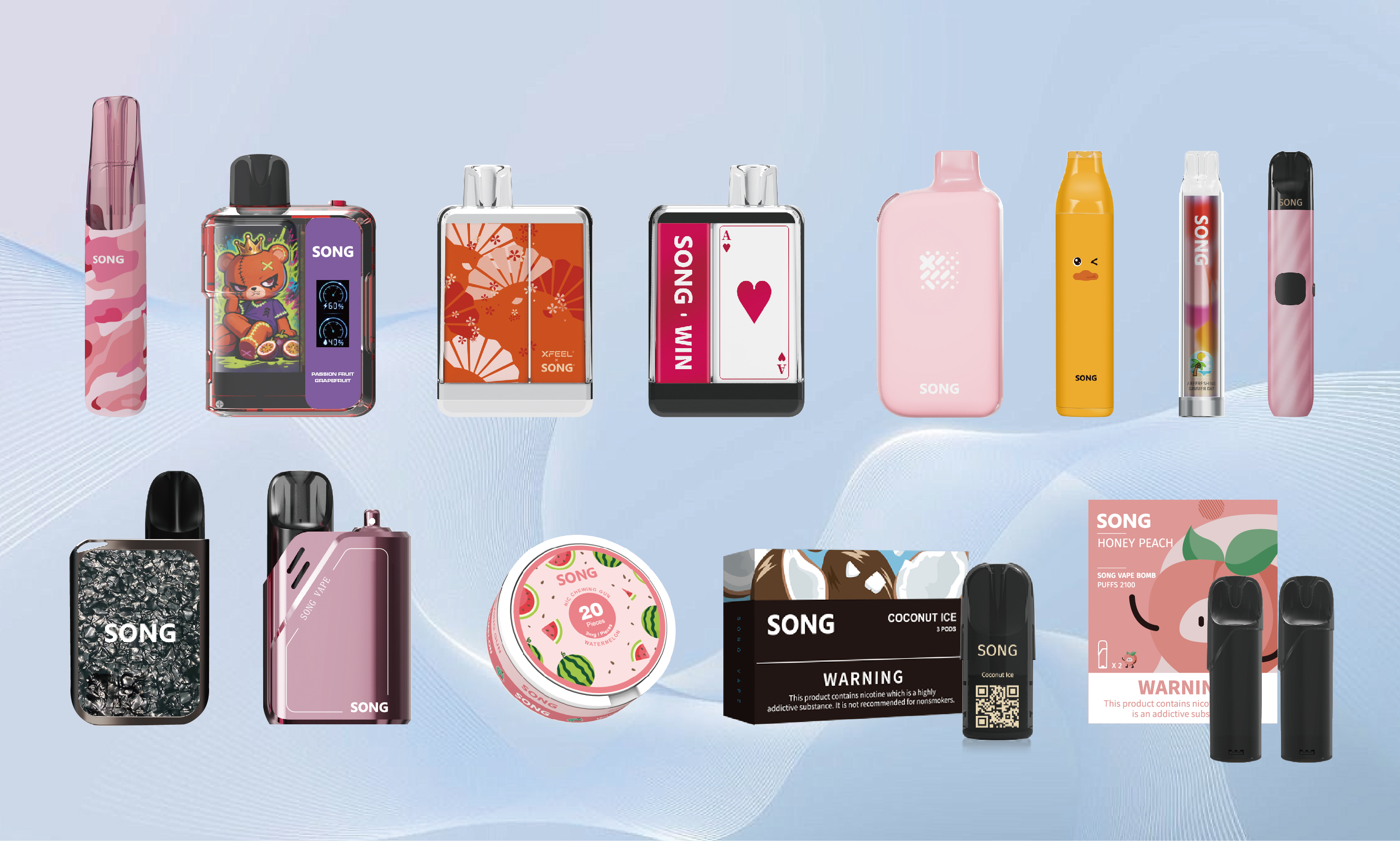
This is not an empty saying. The industry indeed had a clear window of opportunity in its early days—overseas demand for products like fruit flavor vape boomed, wholesale vaping supply channels expanded rapidly, and product innovation outpaced regulatory progress by a wide margin. In that era, judgment and execution could unlock tremendous results, and many enterprises like Song Vape—a brand renowned for its diverse fruit flavor vape options and reliable wholesale vaping supply chain—did complete their primitive accumulation by “waiting for and seizing the wind”.
Even to this day, Song Vape’s focus on high-quality fruit flavor vape and efficient wholesale vaping supply has made it a standout player in the global market, especially in regions with sustained consumer demand for flavored vaping products.
But by 2026, this phrase demands a re-examination.
The question today is no longer “will the wind come again”, but a more realistic one: even if the wind blows, will there be a place for small and medium-sized enterprises (SMEs), and how can brands like Song Vape continue to thrive amid regulatory shifts?

The Essence of Industry Change: Not a Cycle, but a Restructuring
Many practitioners still tend to understand the e-cigarette industry through a cyclical lens: a period of boom followed by a slump, tight policies giving way to loose ones, and the market picking up again after tough times.
Yet the current wave of change is not a simple cyclical fluctuation, but rather a structural shift.
A consensus is taking shape in the world’s major markets: e-cigarettes are no longer regarded as innovative consumer goods open to unregulated experimentation, but are brought into a high-responsibility regulatory system
This is reflected in multiple aspects:
United States: Strengthened PMTA regulations, 337 investigations, state-level product catalogs and tax regimes, with many states imposing bans or restrictions on fruit flavor vape .
European Union: Tighter enforcement of the TPD, ongoing discussions on flavor and disposable e-cigarette restrictions that directly impact the wholesale vaping supply chain.
United Kingdom: Implementation of disposable e-cigarette bans is underway, with fruit flavor vape facing increased regulatory review.
Southeast Asia: Policies have started to become stringent, raising compliance requirements for both fruit flavor vape producers and wholesale vaping supply distributors.
While these policy moves proceed at different paces, they all point in the same direction—raising market access barriers, reducing the number of enterprises, and lowering industry uncertainty. For brands such as Song Vape, this means adapting its fruit flavor vape lineup to meet regional regulatory standards while optimizing its wholesale vaping supply network to stay competitive.
Against this backdrop, the core mode of competition in the industry is also shifting: from “who can run the fastest” to “who can stay standing”.

Why “Waiting for the Wind” Is Becoming a Risk
In the era of innovative consumer goods, “waiting for the wind” was a viable strategy. Once a window of opportunity emerged, agile enterprises could quickly scale up their operations, roll out new fruit flavor vape variants, and expand their wholesale vaping supply channels.
But in the era of institutional competition, “waiting for the wind” often means passivity.
The reason is simple: time itself is eroding the three most valuable assets of SMEs:
As regulation tightens and market structure stabilizes, time no longer brings opportunities, but instead amplifies uncertainty.
For many SMEs focused on fruit flavor vape and wholesale vaping supply, delayed compliance adjustments mean losing market share to well-adapted brands like Song Vape, which has proactively adjusted its product portfolio and supply chain to align with global regulatory trends. Many enterprises do not collapse the moment new policies are officially implemented, but exhaust their last bit of initiative in repeated indecision and wait-and-see. The value of transferable wholesale vaping supply channels declines, inventory of uncompliant fruit flavor vape accumulates, compliance risks mount, and the space for an orderly exit shrinks by the day.
In other words, the longer you wait, the fewer options you have.

The Real Questions SMEs Need to Face
Therefore, the real discussion is no longer about “whether we can wait for the wind”, but: In the new industry structure, what is the most suitable position for us—especially for SMEs focused on fruit flavor vape and wholesale vaping supply?
The answer will vary for different enterprises.
Some still have a certain foundation in regional wholesale vaping supply channels or partial compliance for fruit flavor vape, and may have room for acquisition or transformation by larger players like Song Vape; some can still maintain positive cash flow with niche fruit flavor vape products, but need to assess long-term regulatory risks; others have already been structurally eliminated, with the outcome only delayed in manifestation.
None of these judgments are easy to make, but evading judgment is often more dangerous than the judgment itself. For fruit flavor vape and wholesale vaping supply businesses, inaction means being left behind by brands that are proactively adapting to regulatory changes and optimizing their operations. Because in a mature industry, the greatest risk is not making the wrong decision, but delaying the decision indefinitely.
The Industry Remains, but the Way to Participate Is Changing
Globally, there is still real demand for e-cigarettes—fruit flavor vape remains a top choice for consumers in many regions, and the need for stable wholesale vaping supply is unchanged—and the market will maintain a stable scale. But the industry of the future is more likely to be an “institutional industry” characterized by:
Opportunities still exist in such an environment, but they are no longer accessible to all development models. For the fruit flavor vape and wholesale vaping supply segments, opportunities lie in regional compliance, product differentiation, and supply chain efficiency—areas where Song Vape has built a strong competitive advantage by aligning its fruit flavor vape offerings with local regulations and streamlining its wholesale vaping supply to serve global partners efficiently.
Enterprises that can bear long-term institutional costs will remain; models that rely on rapid experimentation with unregulated fruit flavor vape and fragmented wholesale vaping supply channels will gradually fade out of the picture.
Conclusion: More Important Than Waiting for the Wind Is Seeing the Stage Clearly
Every industry goes through a process from unbridled growth to institutionalized development. In the early stage, speed and judgment determine success or failure—for example, quickly launching new fruit flavor vape and expanding wholesale vaping supply channels; in the later stage, stability and endurance determine survival, with compliance and supply chain optimization at the core.
The e-cigarette industry is completing this transition, and the fruit flavor vape and wholesale vaping supply segments are at the heart of this shift.
For SMEs, now may not be the time to wait for the next windfall, but to re-evaluate their own position in the industry—whether to niche down in a compliant fruit flavor vape segment, partner with established wholesale vaping supply brands like Song Vape, or pivot to other high-potential categories. Seeing the stage clearly and adjusting strategies is a sign of maturity in itself.
Because in an industry with a restructured landscape, what matters more than waiting for the wind is knowing whether you are still in the path of the wind at all—especially for businesses in the fruit flavor vape and wholesale vaping supply space, where regulatory adaptation and strategic alignment are the keys to surviving and thriving in the new era.
